Blog ·
Choosing the Right Energy-Efficient Windows for Your Home
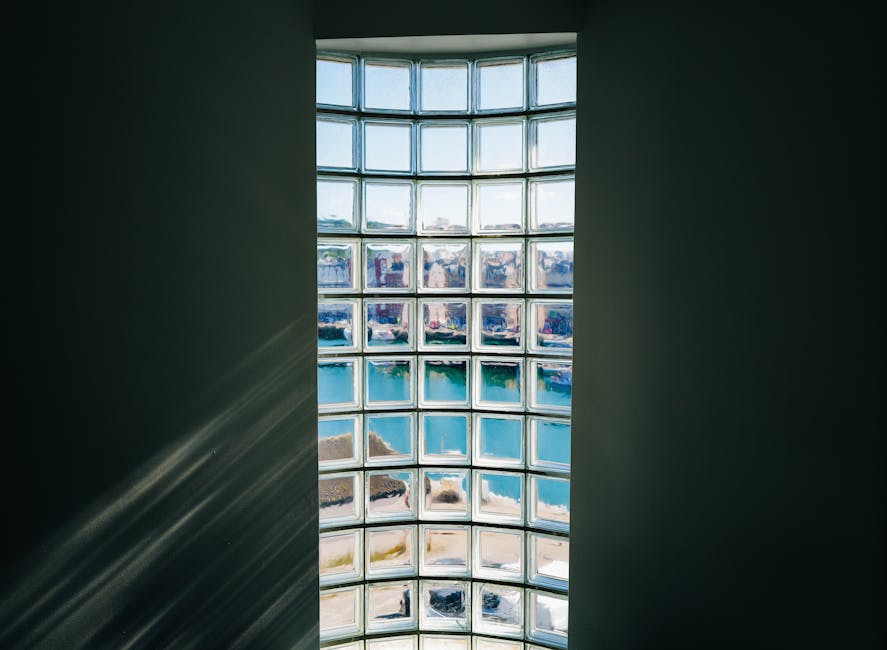
Selecting energy-efficient windows involves more than picking attractive frames. Your decision should consider your climate, home architecture, and specific performance needs. Understanding the key factors helps you make a choice that delivers maximum benefit for your particular situation.
Know Your Climate Zone
Your geographic location significantly influences which windows work best. Homes in cold climates need windows with high insulation values to prevent heat loss. In hot climates, solar heat rejection becomes the priority. Temperate regions may balance both concerns. Consulting regional building guidelines provides valuable reference points for your area.
Frame Material Options
Window frames come in several materials, each with distinct characteristics. Vinyl frames offer affordability and low maintenance. Wood frames provide traditional aesthetics and excellent insulation but require regular maintenance. Fiberglass frames combine durability with superior insulation properties. Aluminum frames are lightweight and strong but conduct heat readily, making them less ideal for extreme climates. Many modern windows use composite materials combining benefits of multiple options.
Glazing and Coatings
Double-pane windows are now standard, with triple-pane options available for colder regions. The gas fill between panes—typically argon or krypton—enhances insulating performance. Low-emissivity coatings reflect heat while transmitting light. These coatings are invisible but critical to overall window performance.
Understanding Performance Ratings
Look for products with published U-factors and Solar Heat Gain Coefficients. The U-factor measures heat transfer; lower values indicate better insulation. The Solar Heat Gain Coefficient indicates solar radiation transmission; lower values mean better heat rejection for warm climates. These standardized metrics allow meaningful comparison between products.
Operational Features
Consider how windows operate in your daily life. Casement windows provide excellent sealing and easy opening. Double-hung windows offer familiar operation and traditional appearance. Sliding windows maximize unobstructed views. Awning and hopper windows provide ventilation while protection from rain. Each style has practical advantages depending on your preferences.
Installation Quality Matters
Even the best windows underperform if installed incorrectly. Proper installation includes adequate sealing, correct framing, and appropriate flashing to prevent water infiltration. Professional installation ensures your investment delivers expected performance benefits.
Maintenance Considerations
Some materials require more maintenance than others. Vinyl requires minimal upkeep beyond occasional cleaning. Wood frames need periodic painting and sealing. Consider how much maintenance you're willing to commit to over the window's lifespan.
Taking time to evaluate these factors ensures your new energy-efficient windows match your home's needs and deliver years of comfort and reliable performance.